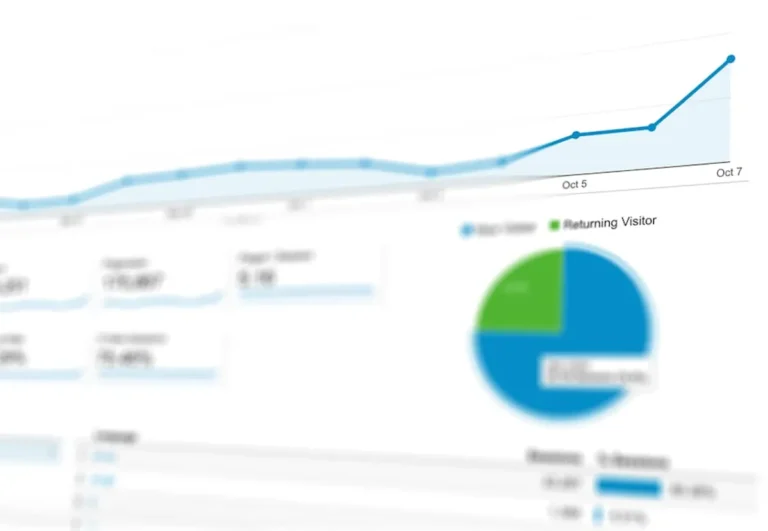
For SEO professionals, marketers, and site owners, the decision to implement SERP rank tracking is fundamental. However, the critical distinction lies in the frequency and granularity of that tracking. Relying on weekly or monthly position checks risks operating on outdated information in an environment defined by constant flux. Daily SERP monitoring is not merely a reporting function; it is an essential operational feedback loop, providing real-time intelligence on keyword performance, algorithm shifts, and competitive movements. This immediate insight enables agile strategy adjustments, allowing teams to capitalize on emerging opportunities and mitigate sudden declines before they impact organic traffic and revenue significantly.
The Imperative of Daily SERP Monitoring
Daily SERP rank tracking moves beyond historical analysis to offer a dynamic view of your organic visibility. Search engine results pages are highly volatile, influenced by numerous factors including algorithm updates, personalized search results, geographic location, device type, and intense competitive activity. A position that holds steady for days can shift dramatically overnight due to a competitor's content push, a minor technical error on your site, or a targeted Google update. Daily data captures these micro-fluctuations, providing a granular understanding of performance that aggregated weekly or monthly data obscures.
- Rapid Algorithm Change Detection: Google deploys thousands of algorithm updates annually, some minor, some significant. Daily tracking helps pinpoint the immediate impact of these changes on specific keywords or content clusters, allowing for quicker diagnostic work and strategic pivots.
- Competitive Intelligence: Observe competitor movements in near real-time. If a rival launches new content or optimizes existing pages, daily tracking will show their immediate rank gains or losses, informing your counter-strategies.
- Content Performance Validation: Understand the immediate impact of new content publications, on-page optimizations, or link-building efforts. Daily data provides quicker validation (or invalidation) of your content strategy's effectiveness.
- Local SEO Precision: For businesses with a local focus, daily tracking can reveal hyper-local ranking shifts that are critical for driving foot traffic or local service inquiries, often more volatile than national rankings.
Translating Rank Data into Actionable SEO Strategy
Collecting daily rank data is only the first step; its value lies in interpretation and subsequent action. Effective daily monitoring provides the foundation for data-driven decisions that directly impact growth metrics beyond just position numbers.
Identify Opportunity Keywords: Daily tracking helps surface keywords that are "on the cusp"—ranking on page two or low page one. These keywords often require minimal effort to push into top positions, yielding significant traffic gains. Identifying these quickly allows for targeted optimization efforts, such as internal linking, content expansion, or schema markup application.
Diagnose Performance Drops: A sudden drop in rankings for a cluster of keywords signals a potential issue. Daily data allows for immediate investigation into common culprits like:
- Technical SEO errors (e.g., robots.txt changes, canonicalization issues, index bloat).
- Manual penalties or algorithmic devaluations.
- Competitor dominance with superior content or stronger backlink profiles.
- Content decay or freshness issues.
Measure Campaign Effectiveness: For specific SEO campaigns—be it a new content hub, a link acquisition push, or a site migration—daily rank tracking offers immediate feedback on success metrics. This allows for mid-campaign adjustments, ensuring resources are allocated effectively and underperforming tactics are revised quickly.
Pro Tip: Do not react to every single daily fluctuation. Establish a baseline for normal volatility. Focus attention on sustained drops across multiple related keywords or significant jumps that indicate a genuine shift. Segment your keywords by intent (informational, commercial, navigational) and prioritize monitoring for high-value commercial terms, as their position changes directly correlate with revenue opportunities.
Navigating the Nuances of Position Tracking
While daily rank tracking offers immense value, it's crucial to understand its limitations and how to interpret the data accurately. Personalization, user location, device type, and search history can all influence the exact SERP a user sees. Therefore, tracking tools typically simulate a non-personalized, specific geographic search.
Granularity and Segmentation: Effective daily tracking requires segmenting keywords. Group them by:
- Topic Cluster: Monitor related keywords together to understand overall topical authority.
- Page/URL: Track all keywords driving traffic to specific landing pages.
- Search Intent: Separate informational queries from transactional ones, as their optimization strategies and competitive landscapes differ.
- Location/Device: Crucial for local businesses or those with distinct mobile strategies.
This segmentation allows for more precise analysis and targeted optimization. A drop in one keyword might be an anomaly, but a drop across an entire topic cluster or a specific landing page indicates a systemic issue requiring immediate attention.
Beyond Position: Connecting Ranks to Business Outcomes
SERP position is a leading indicator, not the ultimate goal. The objective of daily rank tracking is to inform actions that improve organic traffic, conversions, and ultimately, revenue. Integrate rank data with analytics platforms to correlate position changes with traffic shifts, bounce rates, and conversion rates for specific keywords and pages. This holistic view ensures that SEO efforts are aligned with broader business objectives.
For example, if a high-volume commercial keyword jumps from position 5 to 3, track the immediate increase in organic sessions, click-through rate (CTR), and conversions for the associated landing page. Conversely, if a drop from 2 to 4 occurs, quantify the potential loss in traffic and revenue to justify the urgency of corrective action. This commercial framing elevates rank tracking from a mere reporting exercise to a strategic imperative.
Refining Your SERP Monitoring for Impact
To maximize the commercial utility of daily SERP rank tracking, establish clear protocols for data review and response. Assign ownership for specific keyword groups or content areas. Implement automated alerts for significant rank changes (e.g., a top-3 keyword dropping below position 5, or a page-2 keyword breaking into the top 10). Regular, brief daily check-ins on critical keywords can prevent minor issues from escalating into major traffic losses. This proactive approach ensures that your SEO strategy remains agile, responsive, and ultimately, more effective in driving sustained organic growth.
Frequently Asked Questions
Why is daily rank tracking superior to weekly or monthly tracking?
Daily tracking provides immediate insight into keyword performance changes, allowing for rapid response to algorithm updates, competitive shifts, and content performance. Less frequent checks can leave you operating on outdated information, delaying critical strategic adjustments.
Does personalized search affect the accuracy of rank tracking?
Yes, personalization can create variations in individual SERPs. Most rank tracking tools mitigate this by simulating non-personalized searches from specific geographic locations and devices, providing a standardized, objective view of general ranking performance. It's an aggregate measure, not a precise reflection of every single user's experience.
How many keywords should I track daily?
The ideal number depends on your site's scale and SEO objectives. Focus on tracking your most commercially valuable keywords, those driving significant traffic, and those targeted by active campaigns. For larger sites, segmenting and prioritizing keyword groups for daily monitoring is more efficient than tracking every single keyword.
What is a "good" rank to aim for?
A "good" rank is typically within the top 3 positions, as these capture the vast majority of search clicks. However, even page one (positions 1-10) can be highly valuable depending on the keyword's search volume and commercial intent. The goal is to continuously improve positions for high-value keywords, moving them closer to the top of the SERP.